




Dr Yousefpour's Expertise: Advanced Dental Implantology
A missing or damaged tooth is not just an aesthetic concern — it disrupts the balance of your entire oral health. The dental implant is today the most modern, reliable, and long-lasting solution for restoring a complete, functional, and natural smile.
What Is a Dental Implant?
A dental implant is an artificial root (most often made of titanium or zirconia) gently inserted into the jawbone during a minimally invasive, painless procedure.
- The role of the implant: It fuses naturally with the bone (a process called osseointegration) to serve as a solid replacement pillar.
- The crown: Screwed or cemented onto the implant, it reproduces the exact shape, color, and function of your natural tooth.
Why Choose Dental Implants?
- Comfort and aesthetics: They blend perfectly with your existing teeth, making it impossible to tell the difference.
- Preservation of neighboring teeth: Unlike a traditional bridge, an implant does not require reshaping healthy adjacent teeth.
- Bone health: The implant stimulates the jawbone and prevents the bone loss associated with missing teeth.
- Longevity: With good oral hygiene and regular follow-up, it is a solution designed to last a lifetime.
Digital Excellence for Your Smile
The loss of one or more teeth, combined with bone resorption, calls for a highly precise surgical approach. Dr Yousefpour has chosen to integrate the most advanced digital technologies to turn complex cases into predictable, safe, and less invasive procedures.
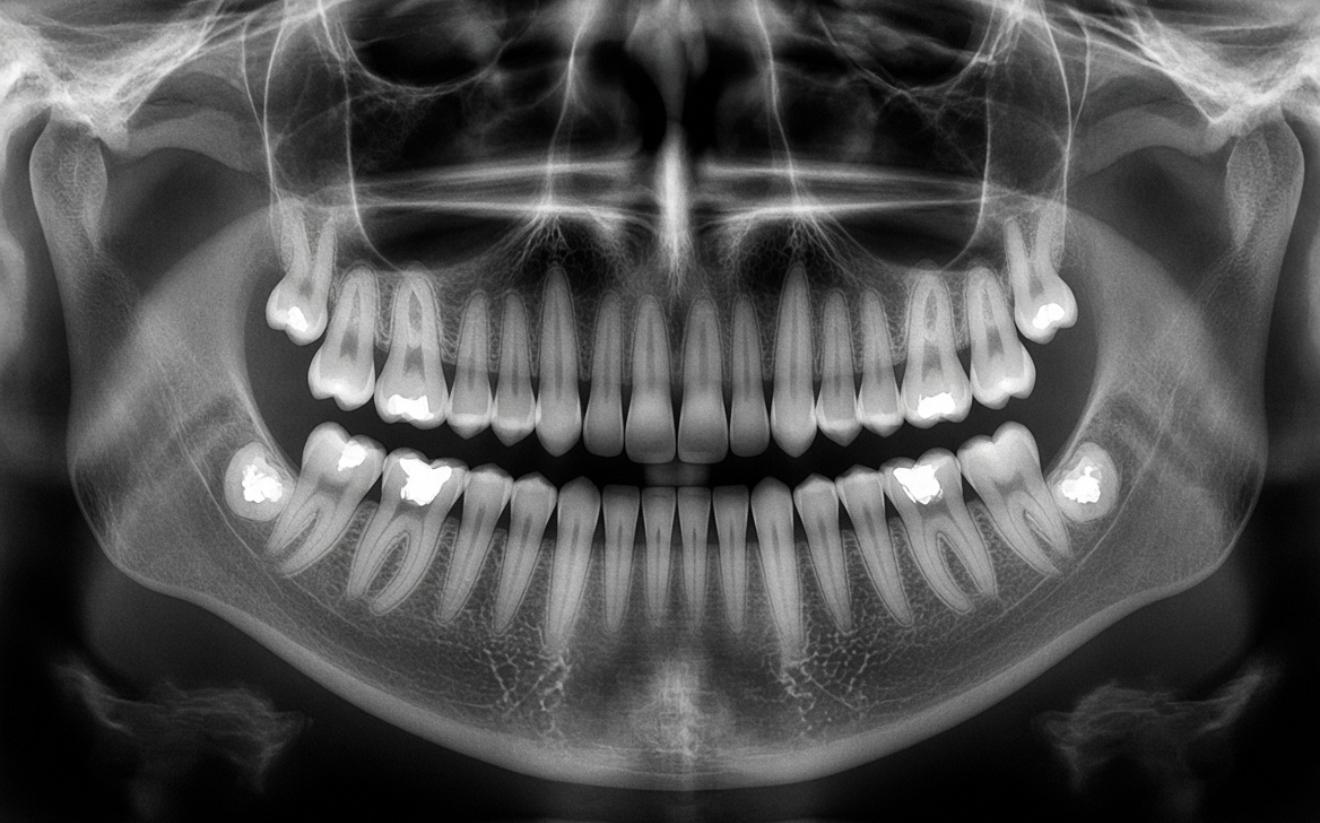
Guided Surgery: Millimeter Precision
Unlike traditional methods, our guided surgery protocol relies on rigorous 3D planning.
- Virtual planning: Before the procedure, we merge your data (NewTom scan and digital impressions) to simulate the ideal placement of the implants.
- Surgical guide: The surgical guide acts as a "GPS" during the operation, ensuring optimal positioning while respecting bone volumes and delicate anatomical structures.
Dynamic Navigation with X-Guide
For the most demanding situations, Dr Yousefpour uses X-Guide technology. This navigated surgery system allows real-time control throughout the procedure:
- Real-time guidance: Like a GPS navigation system for surgery, X-Guide displays the precise position of the drill relative to the 3D plan on screen, moment by moment.
- Ultimate precision: This technology allows implant placement with unmatched accuracy, offering increased safety even in the most confined or complex surgical sites.
- Operative flexibility: Dynamic navigation allows immediate adjustment during the procedure, ensuring an optimal result consistent with your aesthetic and functional expectations.
Bone Reconstruction and Sinus Lift
When bone volume is insufficient, it is impossible to place an implant durably without prior preparation. Dr Yousefpour's expertise allows him to rebuild the foundations of your smile:
- Sinus lift: A well-mastered technique to increase bone height in the posterior maxillary region.
- Bone grafts: Whether particulate or block grafts, Dr Yousefpour uses the most recent protocols to regenerate bone tissue, ensuring solid, lasting support for your implants.
Why Choose Dr Yousefpour for Your Treatment?
- Technological mastery: A 100% digital workflow, from diagnosis to surgical guide.
- Safety: A drastic reduction in surgical risk thanks to the precision of guided surgery.
- Comfort: Fewer post-operative effects thanks to a minimally invasive approach.
- Surgical expertise: Comprehensive care from a specialist in maxillofacial surgery.
A Tailor-Made Treatment Plan
Every patient is unique. During your first consultation, we carry out a complete assessment, including 3D radiographic imaging, to define together the solution best suited to your functional and aesthetic needs.
The Treatment Journey

- Step 1 — The Pre-Implant Assessment: An in-depth clinical consultation, together with state-of-the-art imaging (Cone-Beam / CBCT) and a digital impression for tailor-made 3D placement planning.
- Step 2 — Placing the Implant: A surgical procedure under local anesthesia (with sedation if necessary), carried out under strict aseptic conditions.
- Step 3 — The Healing Period: The time needed (a few months) for the implant to fuse solidly with the bone (osseointegration). A temporary tooth can often be fitted for aesthetic reasons.
- Step 4 — The Prosthetic Restoration: The final crown is made and fitted by your surgeon or your regular dentist.
Indications and Clinical Cases
- Single-tooth replacement: An isolated, aesthetic, single-unit solution.
- Multiple-tooth replacement: Multiple implants or implant-supported bridges to avoid a removable appliance.
- Full-arch rehabilitation: Fixed All-on-4 or All-on-6 solutions to restore a complete, fixed jaw in record time.
- Bone grafts and sinus lift: Complementary techniques used when bone volume is lacking (guided bone regeneration, sinus elevation).
Frequently Asked Questions
-
Does getting an implant hurt?The procedure is performed under local anesthesia (or sedation if needed), so it is not painful during placement. Any post-operative discomfort is generally mild and well controlled with the prescribed pain medication.
-
How long does the procedure take?Placing a single implant typically takes between 30 minutes and an hour, depending on the complexity of the case and whether additional procedures (such as a bone graft or sinus lift) are needed.
-
What are the contraindications?Heavy smoking, uncontrolled general conditions (such as unmanaged diabetes), severe untreated periodontal disease, and certain medications can affect healing. Each case is assessed individually during your consultation.
-
What maintenance is required?Regular brushing, interdental brushes, and annual check-ups are essential — an implant requires the same diligent hygiene as a natural tooth to last a lifetime.
Your Information and Informed Consent
Any surgical procedure, including the placement of dental implants, requires clear and honest information. As an oral and maxillofacial surgeon, Dr Yousefpour is committed to answering all of your questions so you can make a fully informed decision.
The Principle of Informed Consent
Informed consent is the process by which you agree to the proposed care after receiving all the necessary explanations regarding the goals and expected benefits of implant treatment, the various possible therapeutic alternatives, and the pre- and post-operative course.
Expected Benefits
Modern implantology offers a very high success rate (estimated between 95% and 98%). It effectively restores chewing, speech, and the aesthetics of the smile, while ensuring comfort in everyday life.
Risks and Potential Complications
Although rare, complications inherent to implant surgery do exist and must be disclosed to you:
- Transient local complications: Swelling, bruising, moderate pain, or temporary discomfort at the surgical site, and difficulty opening the mouth.
- Infection risk: A local infection can occur and requires appropriate antibiotic treatment.
- Osseointegration failure: In rare cases (around 2 to 5%), the implant may not fuse properly with the bone. It is then removed, and a new attempt or an alternative solution can be considered after healing.
- Anatomical complications (exceptional): Injury to nearby nerve structures (which may cause transient, or more rarely lasting, numbness of the lip or chin) or involvement of the maxillary sinuses — carefully prevented through prior 3D imaging.
Aggravating Risk Factors
Certain factors can impair the proper healing of an implant:
- Active smoking (which significantly reduces blood supply and the success rate).
- Insufficient oral hygiene.
- Certain uncontrolled general conditions (unmanaged diabetes, severe osteoporosis, immunosuppressive treatments).